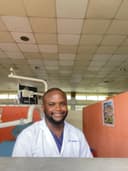
Every dentist remembers their training years with a mixture of nostalgia, pride, and — if they are honest — a healthy dose of exhaustion. For me, those formative months at the University College Hospital (UCH), Ibadan were among the most challenging and rewarding experiences of my life. They shaped not just my clinical skills but my philosophy of care, my work ethic, and my understanding of what it means to be a healthcare professional in Nigeria.
The UCH Environment
UCH Ibadan is one of Nigeria's premier teaching hospitals, established in 1957. It is an institution with a rich history and a reputation for clinical excellence. The dental department at UCH handles a staggering volume and diversity of cases — from routine fillings and extractions to complex oral and maxillofacial surgical procedures. For a young dentist, this was both daunting and invaluable.
The patient load at UCH meant that there was never a shortage of clinical experience. On any given day, I might see patients presenting with dental caries, periodontal disease, oral infections, traumatic dental injuries, and oral pathologies ranging from benign cysts to suspicious lesions requiring biopsy. The variety was extraordinary and ensured that I developed a broad clinical foundation.
Learning Under Pressure
One of the defining characteristics of training at a busy teaching hospital is learning to perform under pressure. Clinics were crowded. Resources were often limited. The power supply, as I have written about elsewhere, was unreliable. Equipment sometimes malfunctioned at the worst possible moment. And yet, patients needed to be treated, and treated well.
This environment taught me to think on my feet, to prioritize effectively, and to remain calm when things did not go as planned. When your handpiece stops working mid-cavity preparation because the compressor has overheated, you learn to adapt. When the X-ray machine is down and you need to make a clinical decision based on physical examination alone, you develop a deeper appreciation for clinical acumen and thorough history-taking.
These skills — adaptability, composure, clinical judgement under imperfect conditions — are not taught in textbooks. They are earned through experience, and UCH provided that experience in abundance.
Mentorship That Made a Difference
The consultants and senior colleagues at UCH were instrumental in my development. In a teaching hospital, the learning extends far beyond the lecture hall. It happens chairside, during case discussions, in the corridors between clinics, and during the informal conversations that take place when experienced practitioners share their knowledge with junior colleagues.
I learned the art of patient communication — how to explain a diagnosis in simple, non-threatening language. I learned the importance of informed consent, not as a legal formality but as a genuine partnership between dentist and patient. I learned that technical skill without empathy is incomplete, and that the best clinicians are those who treat the person, not just the tooth.
The multidisciplinary nature of a teaching hospital was also invaluable. Working alongside medical colleagues in other specialties — general surgery, ENT, paediatrics, internal medicine — gave me a broader perspective on patient care. Dental health does not exist in isolation, and understanding the medical context of a patient's oral condition is essential for comprehensive care.
The Patients of Ibadan
The patients I treated at UCH came from all walks of life. University professors and market traders. Civil servants and farmers. Students and retirees. Each brought their own expectations, fears, and stories. Many had never seen a dentist before and arrived with conditions that had been neglected for years.
Working with this diverse patient population taught me to communicate across educational and cultural boundaries. A treatment plan that makes perfect sense in clinical terms must be translated into language that the patient can understand, agree to, and follow through on. This requires patience, cultural sensitivity, and a genuine commitment to meeting each patient where they are.
Some cases were straightforward. Others were heartbreaking — patients who had lost most of their teeth to neglect, children with rampant caries from excessive sugar consumption and lack of awareness, elderly patients in pain who had been managing with traditional remedies for years before finally coming to the hospital. These cases reinforced my commitment to preventive dentistry and oral health education.
Ibadan: The City Beyond the Hospital
Living in Ibadan was an experience in itself. The city has a character that is unmistakably its own — the sprawling brown rooftops of Mokola and Oje, the intellectual energy around the University of Ibadan campus, the bustling markets of Dugbe and Bodija, the aroma of suya and amala wafting through the streets in the evening.
For a young professional, Ibadan offered a cost of living that was more manageable than Lagos, a pace of life that was intense but not overwhelming, and a cultural richness that made every day interesting. The Yoruba hospitality I experienced — from colleagues, neighbours, and patients alike — made the city feel like home despite its challenges.
Carrying the Lessons Forward
When I eventually left UCH Ibadan to continue my career in Port Harcourt, I carried with me far more than clinical skills. I carried a deep respect for the resilience of Nigerian patients and healthcare workers. I carried the mentorship lessons of consultants who had dedicated their careers to training the next generation. I carried the conviction that quality dental care is not a luxury but a right, and that every practitioner has a role to play in making it more accessible.
UCH Ibadan is not a perfect institution — no institution is. It grapples with funding constraints, infrastructure deficits, and the same systemic challenges that affect healthcare across Nigeria. But what it does exceptionally well is produce competent, adaptable, and compassionate healthcare professionals. I am grateful to count myself among them.
To the students and junior colleagues currently training at UCH: embrace the challenges. They are shaping you in ways you will only fully appreciate later. And to the patients of Ibadan who trusted us with their care during those years: thank you. You taught us as much as we treated you.