If you are like most people, you probably think of the dentist only when you have a toothache. You might schedule an appointment when a cavity becomes unbearable or when a chipped tooth threatens your smile. But here is a truth that many people overlook: your mouth is a window to your overall health, and regular dental check-ups can literally save your life.
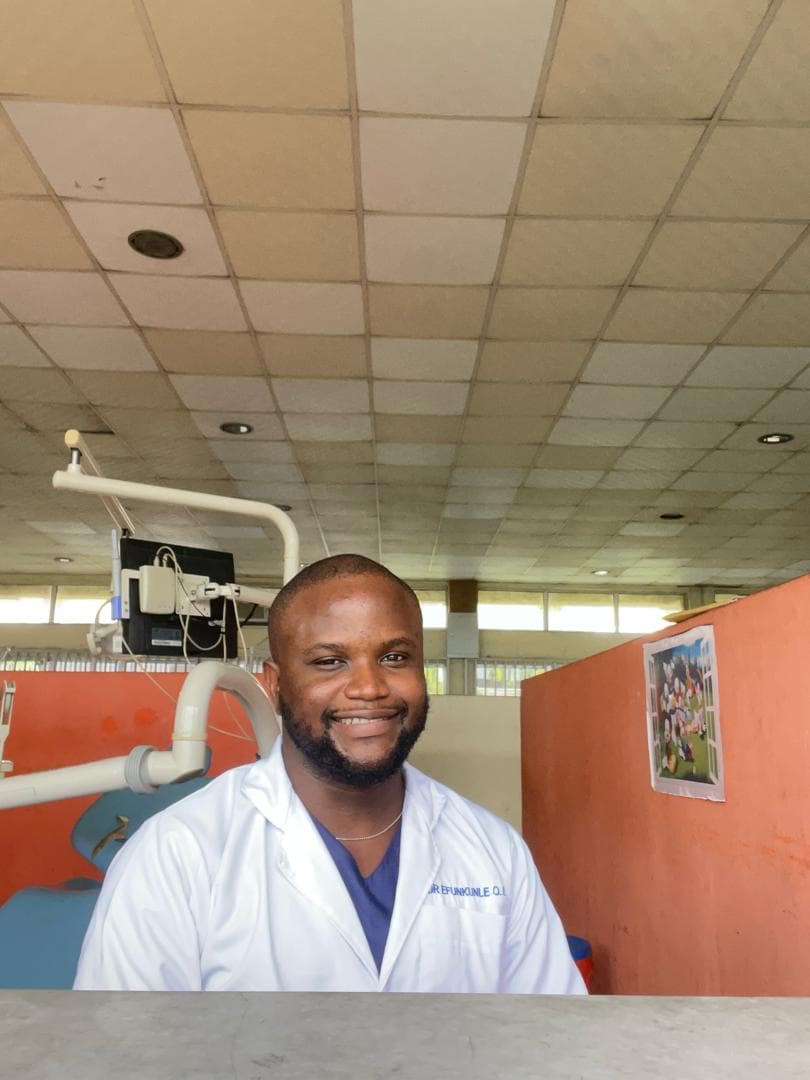
As a dentist practicing at the University of Port Harcourt Teaching Hospital (UPTH), I have seen firsthand how routine dental examinations reveal conditions that patients never knew they had. From early-stage oral cancers to signs of undiagnosed diabetes, the dental chair is often where life-changing discoveries begin.
The Mouth-Body Connection
Your oral cavity does not exist in isolation. Research has firmly established that the health of your mouth is intimately connected to the health of the rest of your body. This concept, known as the oral-systemic link, has transformed how modern dentistry approaches patient care.
Periodontal disease, commonly known as gum disease, is one of the most studied examples of this connection. When bacteria from infected gums enter the bloodstream, they can travel to other organs and contribute to a range of serious conditions. Studies published in the Journal of Periodontology and the American Heart Association have found significant associations between periodontal disease and cardiovascular disease, including heart attacks and strokes.
The mechanism is straightforward: chronic inflammation in the gums triggers an inflammatory response throughout the body. This systemic inflammation damages blood vessel walls, promotes the formation of arterial plaques, and increases the risk of blood clots. In other words, the same bacteria destroying your gums could be quietly damaging your heart.
Diabetes and Oral Health: A Two-Way Street
The relationship between diabetes and periodontal disease is particularly noteworthy because it is bidirectional. Diabetic patients are more susceptible to gum infections due to impaired immune function and reduced blood flow to the gums. Conversely, severe periodontal disease can make it harder to control blood sugar levels, creating a vicious cycle that worsens both conditions.
During routine dental check-ups, signs such as persistent gum inflammation, slow healing of oral wounds, dry mouth, and frequent fungal infections can alert a dentist to the possibility of undiagnosed or poorly managed diabetes. I have personally referred several patients at UPTH in Port Harcourt for blood sugar testing after noticing these warning signs during what they thought was a simple cleaning appointment.
Oral Cancer Screening: Early Detection Saves Lives
Perhaps the most critical reason to maintain regular dental visits is oral cancer screening. Oral cancer includes cancers of the lips, tongue, cheeks, floor of the mouth, hard and soft palate, sinuses, and throat. According to the World Health Organization, oral cancers account for roughly three percent of all cancers globally, but in regions like Sub-Saharan Africa, the incidence is rising due to factors such as tobacco use, alcohol consumption, and human papillomavirus infection.
The challenge with oral cancer is that early-stage lesions are often painless. A small white or red patch on the inside of the cheek, a non-healing ulcer on the tongue, or an unusual lump on the floor of the mouth — these are things a trained dentist looks for during every examination but that a patient might ignore for months or even years.
When oral cancer is detected in its early stages, the five-year survival rate exceeds eighty percent. When detected late, that number drops dramatically. A regular dental check-up every six months gives your dentist the opportunity to catch these changes early, when treatment is most effective and least invasive.
What Happens During a Dental Check-up?
A comprehensive dental check-up is far more than a quick look at your teeth. At the University of Port Harcourt Teaching Hospital, a typical examination includes a thorough inspection of all oral tissues, including the gums, tongue, palate, and inner cheeks. We check for signs of decay, gum disease, and oral lesions. We assess your bite and jaw alignment, looking for signs of temporomandibular joint disorders. We review your dental and medical history, noting any changes in medications or health status that could affect your oral health.
Professional cleaning, or scaling and polishing, removes plaque and tartar that regular brushing and flossing cannot reach. This is especially important in areas behind the lower front teeth and along the gum line of the upper molars, where tartar tends to accumulate most.
How Often Should You Visit?
The general recommendation is every six months, but some patients may need more frequent visits. If you have a history of gum disease, smoke, have diabetes, or are pregnant, your dentist may recommend visits every three to four months. The key is to establish a schedule and stick to it, treating dental visits not as a response to pain but as a proactive investment in your health.
Taking Action
If it has been more than six months since your last dental visit, I encourage you to schedule an appointment. Whether you are in Port Harcourt or elsewhere in Nigeria, find a qualified dentist and make that call. Your teeth and your overall health will thank you.
At the University of Port Harcourt Teaching Hospital, we are committed to providing comprehensive dental care that goes beyond just fixing teeth. We believe in the power of prevention, and we are here to help you maintain not just a healthy smile, but a healthy life.